
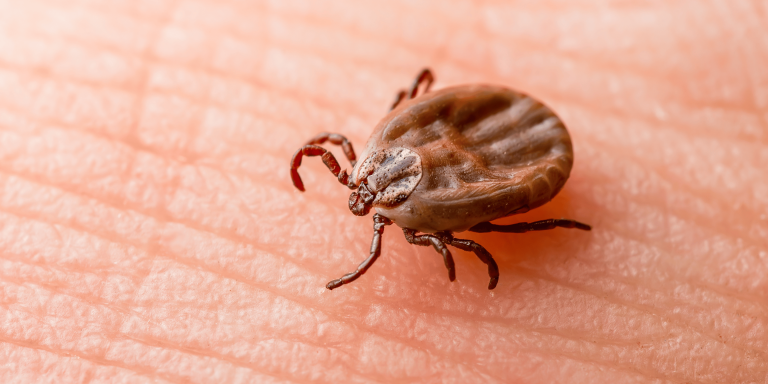
Traveling to Africa offers a unique blend of adventure, cultural experiences, and breathtaking landscapes. However, it’s crucial for travelers to be aware of the health risks associated with visiting certain regions, one of which is African Tick Bite Fever (ATBF). This blog post will provide essential information on ATBF, including what it is, how it is transmitted, symptoms to watch for, prevention strategies, and treatment options. Our goal is to ensure you have a safe and healthy journey.
African Tick Bite Fever is a bacterial infection caused by Rickettsia africae, transmitted to humans through the bites of infected ticks. This disease is prevalent in sub-Saharan Africa and some parts of the Caribbean. It’s particularly common in rural and outdoor areas, affecting travelers engaged in activities such as hiking, camping, and wildlife safaris.
The primary vectors for ATBF are ticks from the Amblyomma species. These ticks become infected by feeding on domestic and wild animals carrying the bacteria. Humans get infected through tick bites, usually when engaging in outdoor activities in areas where these ticks are prevalent. The risk is higher during the dry season, from November to April, when ticks are most active.
Symptoms of ATBF typically begin within 1 to 2 weeks after the tick bite and can include:
Diagnosis is usually based on symptoms, travel history, and potential exposure to ticks. Laboratory tests can confirm the infection but are not always necessary for treatment.
Prevention is the best defense against ATBF. Here are some effective strategies:
ATBF is typically treated with a course of antibiotics, such as doxycycline, which is highly effective when started early. Most people recover fully without any long-term health issues. It’s important to consult with a healthcare provider if you suspect you’ve contracted ATBF, especially if you develop symptoms after returning from travel.
While African Tick Bite Fever can be a concern for travelers to certain regions, taking the appropriate preventative measures can significantly reduce the risk of infection. By being aware and prepared, you can enjoy the incredible experiences Africa has to offer without letting health concerns overshadow your adventure. Remember, consultation with a travel medicine specialist before your trip can provide personalized advice and any necessary vaccinations or medications. Safe travels!
For more travel health tips and information, keep visiting our travel clinic website. Our team is dedicated to ensuring your health and safety on your next adventure.

For vaccine recommendations, we invite you to schedule an appointment for a travel consultation with one of our nurses. The nurse will offer guidance and recommendations pertaining to your specific situation. Recommendations vary based on the timing and duration of your trip, the cities you plan to visit, the activities you plan to partake in, and on your accommodations abroad.
To ensure maximum protection from illness, some vaccines need to be administered in 2 doses prior to your trip. The delay required between the 2 doses depends on the vaccine. For this reason, we recommend that you schedule your consultation 6-8 weeks prior to your trip. For last minute travellers, please note that most vaccines may be administered 2 weeks prior to your trip.
The duration of protection offered by each vaccine is variable. For example, the combined hepatitis A and hepatitis B series will protect for 20 years whereas one dose of the vaccine against typhoid fever will protect you for 3 years. Please note that, given the constant flux of research studies, the duration of protection offered by each vaccine may be updated.
Yes. The consultation fee is $70 for an adult, groups of 2 to 6 people travelling on the same trip are $55 per person. Travel prescriptions are included as part of the consultation fee. The fee for a booster dose is $20. The consultation fee for a non-travel related vaccination appointment (e.g. Shingles) is $25. Please note that cost of each vaccine is additional to the consultation fees.
RAMQ does not reimburse the cost of any vaccine. However, private health insurance companies often reimburse a portion of the costs.